
The cookware you use can influence how comfortably and efficiently you prepare meals. From frying eggs in the morning to cooking vegetables for dinner, different pans offer different advantages. Choosing cookware based on your regular recipes helps you create a kitchen setup that feels practical instead of crowded.
It can be tempting to purchase several pans because they look appealing or promise multiple uses. However, the most useful cookware collection is one that suits your cooking style, available storage, and preferred maintenance routine. Understanding the basic differences between common cookware options can help you make more informed decisions.
MyKitchenJourney offers cookware options such as cast iron frying pans, iron stir-fry woks, and tamagoyaki pans, along with other kitchen essentials. By considering what you cook most often, you can select cookware that complements your routine and helps make meal preparation more enjoyable.
Understand Your Everyday Cooking Needs
Start by reviewing the meals you prepare most frequently. If you regularly cook eggs, vegetables, or simple one-pan dishes, a frying pan may be one of your most useful essentials. If stir-frying is part of your routine, a wok can provide a shape that accommodates tossing and stirring ingredients.
Home cooks who enjoy Japanese-style rolled omelets may find a rectangular tamagoyaki pan useful for preparing that particular dish. Specialty cookware is worth considering when you expect to use it regularly.
Instead of choosing cookware based only on appearance, think about the recipes you want to prepare and the cooking methods you use most often.
Explore Different Cookware Options
Cast Iron Frying Pans
Cast iron frying pans are known for their ability to retain heat. They can be useful for searing, frying, and cooking dishes that benefit from steady heat.
Cast iron requires appropriate care. Depending on the pan, this may include seasoning, drying thoroughly after washing, and applying a light layer of oil when needed. Avoid leaving moisture on the surface for extended periods, as it can encourage rust.
Because cast iron can be heavy, consider the pan’s weight and handle design before purchasing it.
Iron Stir-Fry Woks
A wok is designed for cooking techniques that involve tossing and stirring ingredients. Its curved shape can provide room to move vegetables, noodles, and other ingredients during cooking.
A wok can be particularly useful for quick meals that combine several ingredients. Before choosing one, check its dimensions and compatibility with your stovetop. Cooking techniques and care instructions can vary depending on the material and construction.
Specialty Egg Pans
A tamagoyaki pan has a rectangular shape suited to making rolled Japanese omelets. It can help create the layered shape associated with this dish.
If you prepare rolled eggs frequently, a specialty pan may be a worthwhile addition. If not, a regular frying pan may be enough for your needs.
Consider Material, Size, and Compatibility
Cookware materials differ in weight, heat retention, maintenance, and cooking performance. The best option depends on the recipes you prepare and how much care you are willing to provide.
Size matters as well. A pan that is too small may crowd ingredients, while an oversized pan can be awkward to store and handle. Consider how many people you usually cook for and the available space on your stovetop.
Always confirm that your cookware is compatible with your cooking surface. Induction, gas, and electric stovetops can have different requirements, so review the product specifications before making a purchase.
Match Your Utensils to Your Cookware
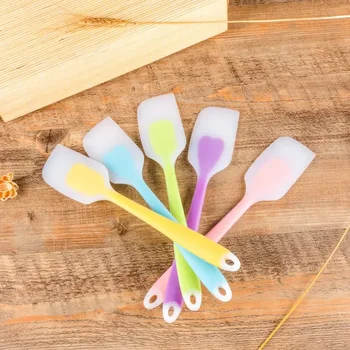
Cooking utensils should be suitable for the surface of your pans. Silicone spatulas can be helpful for stirring and scraping when their heat ratings are appropriate for the task.
Use utensils according to their intended purpose, and avoid metal tools on cookware surfaces that may scratch easily. Following the manufacturer’s instructions can help preserve the condition of both your cookware and accessories.
Care for Your Cookware Properly
Cleaning and maintenance requirements differ by material. Follow the care instructions provided with each item instead of assuming that every pan should be washed or stored in the same way.
Allow cookware to cool appropriately before cleaning, use suitable cleaning products, and dry items thoroughly when required. Store pans where they can be accessed safely without unnecessary stacking or damage.
Build a Cookware Collection That Works for You
You do not need every type of pan to prepare satisfying meals. Start with cookware that supports your most common recipes, then add specialty pieces when they serve a clear purpose.
Find cookware that suits your favorite recipes and cooking style. Visit MyKitchenJourney to explore options for your next kitchen upgrade.




0 Comments